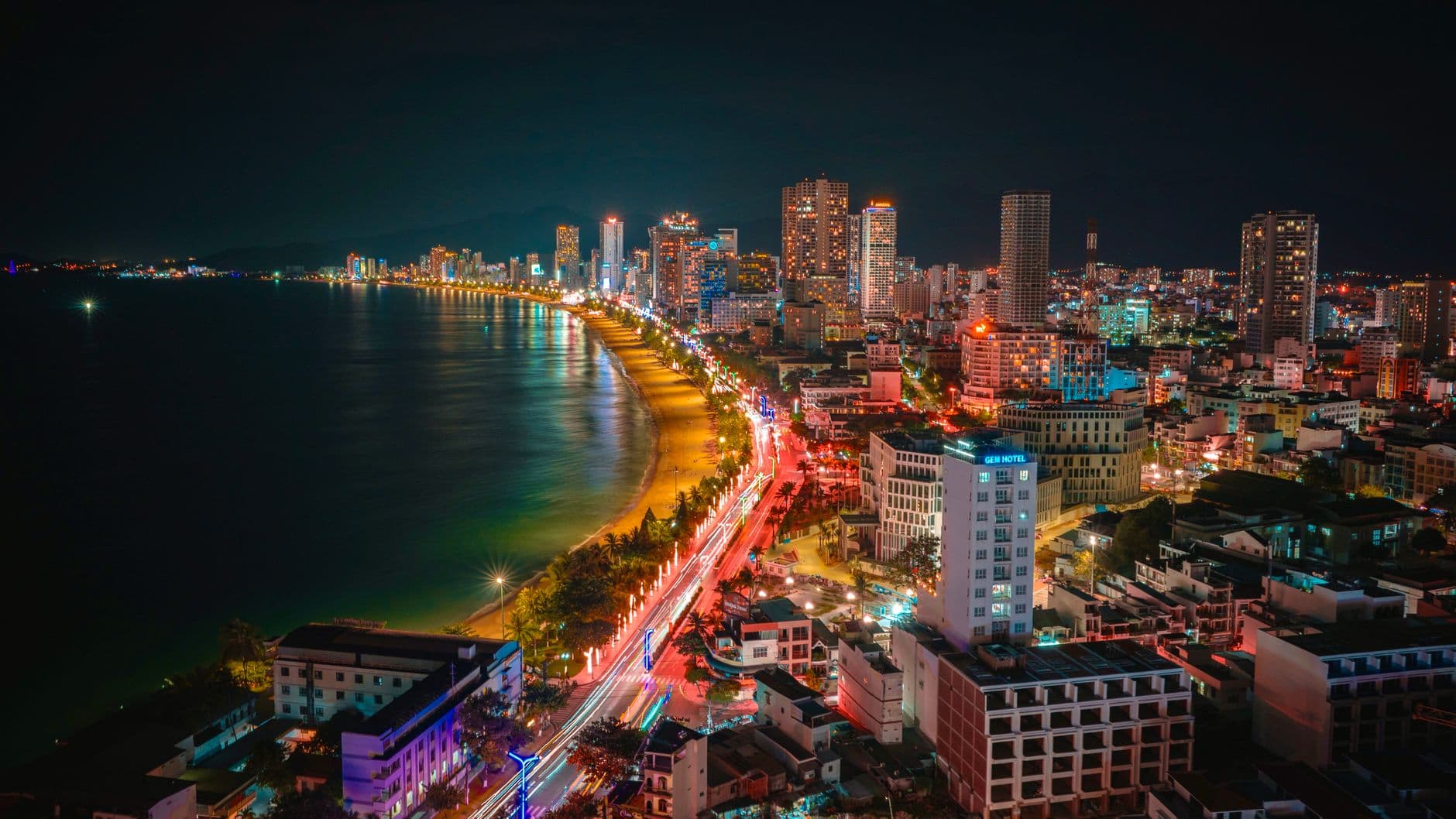
Plenty of travellers land at Cam Ranh Airport (CXR) for the beaches of Nha Trang, but a good number are heading somewhere very different: up into the cool pine-clad highlands to Da Lat. It is one of Vietnam's most rewarding road trips, climbing from the warm coast over a spectacular mountain pass to a city known as the "City of Eternal Spring." Here is how to cover the roughly 130 to 150 km from the airport to Da Lat, what each option costs, and what to expect on the famous pass along the way.
At a glance: Cam Ranh Airport to Da Lat
The trip takes about three to three and a half hours by car. Your choice is mainly about comfort, budget and whether you want to be picked up right at the airport:
| Option | Travel time | Best for |
|---|---|---|
| Private car / airport taxi | ~3 to 3.5 hr, direct | Families, luggage and door-to-door comfort |
| Shared limousine van | ~3 to 3.5 hr | Solo travellers and couples wanting comfort for less |
| Public bus / coach | ~3.5 to 4.5 hr+ | The tightest budgets, with a transfer into town first |
How far is it, and how long does it take?
Da Lat sits roughly 130 to 150 km inland and northwest of Cam Ranh Airport, and the drive takes about three to three and a half hours in a private car. The route leaves the coast and climbs steadily into the Central Highlands on highway QL27C, crossing the Khanh Le Pass before dropping into Da Lat at around 1,500 m. Buses run slower, often four hours or more once you factor in the trip into town and any stops.
Your options for the journey
Private car or airport taxi. The most comfortable choice and the only one that meets you in the arrivals hall. A pre-booked sedan typically costs around 1,300,000 to 1,500,000 VND (about $55 to $60), with seven-seaters, SUVs and limousine vans costing more. You go straight from the airport to your Da Lat hotel with no changes.
Shared limousine van. A popular middle ground, with comfortable reclining seats sold per place at roughly 250,000 to 550,000 VND (about $11 to $22). Some services collect from the airport area, while others ask you to meet at an office, so confirm the pickup point when you book.
Public bus or coach. The cheapest way, usually around $9 to $17, but there is a catch: most buses do not leave from the airport terminal. You generally transfer into Cam Ranh town or Nha Trang first and pick up the Da Lat coach there, which adds time and hassle with luggage.
The Khanh Le Pass: beautiful but winding
The highlight of the drive is also its challenge. The Khanh Le Pass (sometimes called the Omega or Long Lanh Pass) carries QL27C up to about 1,700 m through pine forest and frequent cloud, with long stretches of tight hairpin bends. The views over the highlands are superb, but the constant turns and altitude can bring on motion sickness. If you are sensitive, sit in front, take a tablet before you set off, and keep meals light until you are over the top.
What does it cost?
For a pre-booked private sedan, plan on roughly 1,300,000 to 1,500,000 VND (about $55 to $60); larger vehicles and limousine vans run higher. A seat in a shared limousine van is far cheaper at about $11 to $22, and a budget bus comes in around $9 to $17. These are approximate 2026 figures and shift with the operator, the vehicle and the season, so confirm the current price when you book, especially around Vietnamese holidays.
Which option should you choose?
Travelling as a family or with bags, a private car is worth it: you are met in arrivals and taken straight to your hotel over the pass. Couples and solo travellers who still want a comfortable ride tend to like the shared limousine van for the price. The public bus is unbeatable on cost, but only makes sense if you do not mind transferring into town first and travelling light.
Why go to Da Lat?
Da Lat is unlike anywhere else in southern Vietnam. At around 1,500 m it stays cool and spring-like all year, which is how it earned its nickname. The city is dotted with French-colonial villas and a 1930s railway station, ringed by pine forest, waterfalls, lakes and flower farms. After the heat of the coast, the fresh mountain air alone is reason enough to make the trip.
Sorting your airport transport
Because the easiest options are booked ahead, it pays to arrange your ride before you fly. See our guides to Cam Ranh airport transfers and resort transfers for booking a private car, and our Cam Ranh hotels guide if you are staying near the coast first. Planning the timing of your trip? Our guide to the best time to visit Nha Trang covers the seasons across the region.
About the author
Cam Ranh Airport Guide Editorial Team covers Cam Ranh Airport and the Khanh Hoa coast with practical guides to transfers, beaches and the onward trips travellers most often make from the region.
Fares vary by operator, vehicle and season and can rise around holidays; always confirm the current price and pickup point with your transport provider before you travel.